TikTok expands AI transparency and literacy efforts across Sub-Saharan Africa by introducing new tools and educational programmes to help people use artificial intelligence (AI) safely, responsibly, and with greater confidence.
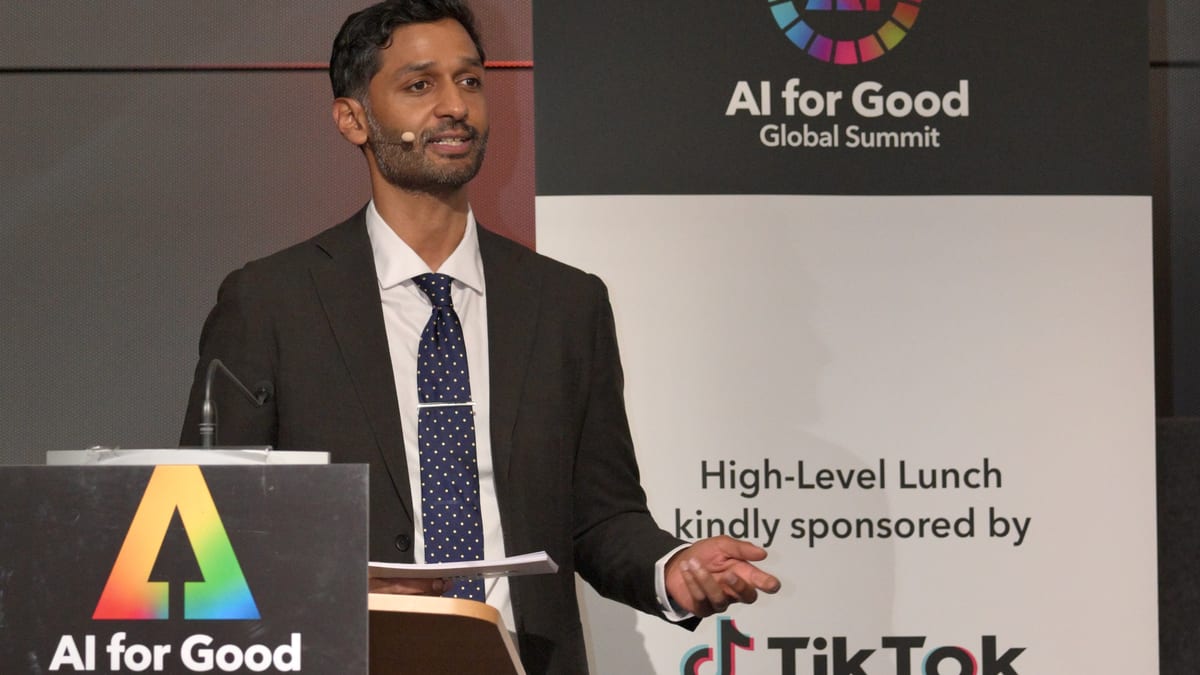
The announcement was made during the AI for Good Global Summit in Geneva. TikTok said it is increasing its efforts to help users understand AI-generated content, protect the platform from AI-generated spam, and give creators better tools to use AI creatively.
Tom Varghese, AI Lead for TikTok’s Global Public Policy team, said the company wants users to have the information and confidence they need when interacting with AI on TikTok. He added that the platform is investing in technology, partnerships, and educational resources to help people recognize AI-generated content and use AI responsibly.
Fighting AI-generated spam
While AI has made it easier for people to create videos and tell stories, it has also made it easier for some users to produce large amounts of spam. To address this, TikTok is testing improved systems that can detect accounts that mainly post AI-generated spam.
The company says these efforts are already making a difference. During the first quarter of 2026, TikTok removed more than 86 million fake accounts worldwide as it continued improving its spam detection systems. The goal is to create a platform where original creators and authentic content can thrive.
Making AI-generated content easier to identify
TikTok has now labelled more than three billion videos as AI-generated using technologies such as Content Credentials, creator disclosure tools, and invisible watermarks. These labels help users know when a video has been created or significantly edited using AI.
The company has also joined the Coalition for Content Provenance and Authenticity (C2PA) Steering Committee. Through this partnership, TikTok will work with other technology companies to develop global standards that improve transparency around AI-generated content.
Helping users learn about AI
TikTok believes education is an important part of responsible AI use. Working with the National Association for Media Literacy Education (NAMLE) and AI expert Henry Ajder, the company has developed guides that teach users how to use AI tools safely and responsibly.
TikTok is also launching a new in-app AI Literacy Hub for users in Kenya, Nigeria, and South Africa. The hub will offer easy-to-understand information that helps users recognize AI-generated content and understand how AI is used on the platform.
To support these efforts, TikTok has invested more than US$4 million in its AI Literacy Fund since it launched in November 2025. The company has partnered with organizations including Moxi Africa in South Africa, the Centre for Journalism Innovation and Development, Africa Check, and Paradigm Initiative in Nigeria, as well as Eveminet and Mtoto News in Kenya.
Together, these partnerships have produced AI education campaigns that have reached more than 200 million views, showing strong public interest in learning about AI.
Supporting African creators
TikTok says creators across Sub-Saharan Africa are increasingly using AI to educate, entertain, and tell stories in new ways. The platform continues to support them with creative tools such as Smart Split and AI Outline, while also giving users more control over the amount of AI-generated content they see through features like Manage Topics.
Creators from Kenya, Nigeria, and South Africa, including Tonnee Ndungu, Nyandia Gachago, Olayemi Afolabi, Comfort Obiagbaoso, Motso Mike, and Akhil, are among those using AI to create engaging content and inspire their communities.
As AI continues to grow, TikTok says it will keep investing in education, safety, and transparency to help people across Sub-Saharan Africa use the technology responsibly while encouraging creativity and innovation.