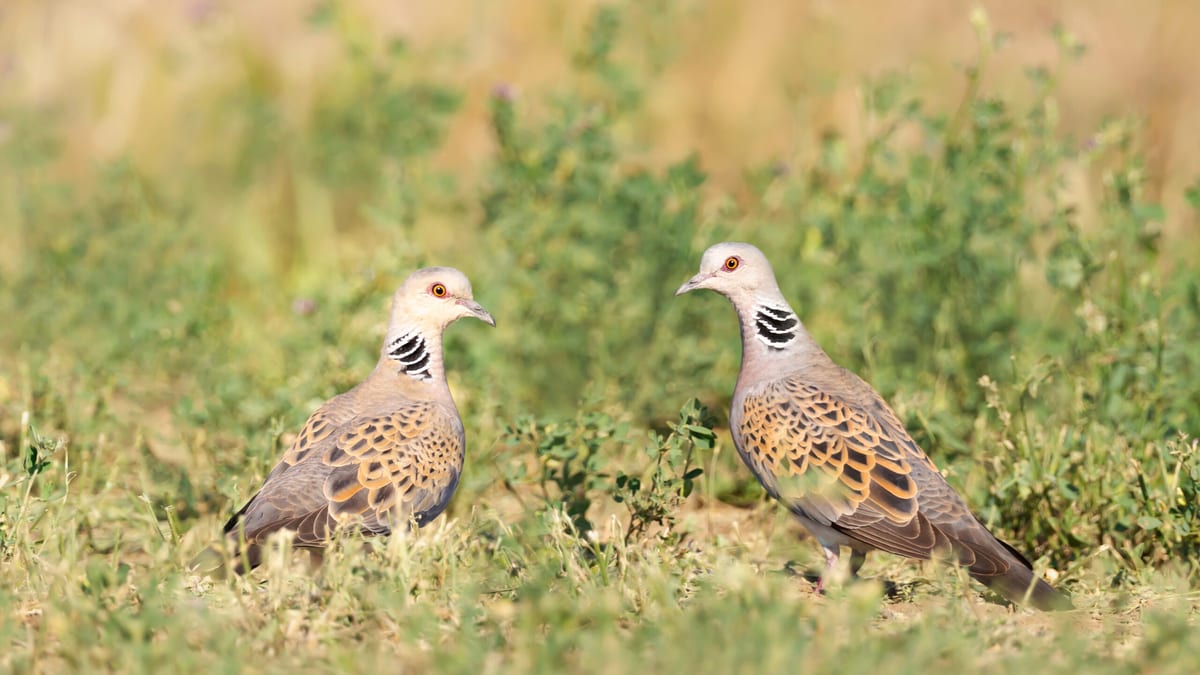
Landmark Global Report on Migratory Birds to Launch in Nairobi Ahead of Global Flyways Summit will be unveiled by BirdLife International on 11 September 2026 in Nairobi during the Global Flyways Summit. The report, which is published every four years, will provide an updated picture of the health of migratory bird populations around the world and guide discussions on international conservation efforts.
Migratory birds travel across countries and continents every year, making them important indicators of the health of the environment. Their survival depends on healthy wetlands, forests, grasslands, and other habitats found along their migration routes, known as flyways. If even one important stopover site is lost, their long journeys become more difficult and their chances of survival decrease.
The State of the World’s Birds Report is expected to be one of the most detailed studies ever produced on migratory birds. Using BirdLife International’s global scientific research and data, the report will examine bird population trends, the risk of extinction, and the condition of the habitats that support these species throughout their annual migrations.
The report will also highlight the growing threats facing migratory birds, especially shorebirds, which are among the most endangered groups of birds in the world. It will assess the condition of Key Biodiversity Areas and other important habitats that birds rely on during their journeys.
The Global Flyways Summit is being co-hosted by BirdLife International and Nature Kenya. During the summit, participants will adopt the Nairobi Flyways Declaration, a new agreement that will be guided by the findings of the report. The declaration aims to turn scientific evidence into practical action by encouraging countries and organizations to strengthen efforts to protect migratory birds and their habitats.
Governments, conservation groups, funding organizations, scientists, Indigenous Peoples, local communities, and international institutions will come together at the summit to discuss ways of protecting migratory species and the ecosystems they depend on. The declaration will encourage commitments on conservation policies, funding, and international cooperation.
Martin Harper, Chief Executive Officer of BirdLife International, said migratory birds connect countries, continents, and cultures through their incredible journeys. He explained that the new report will provide a trusted assessment of how these birds are doing, identify where urgent action is needed, and showcase successful conservation efforts already making a difference. He added that bringing world leaders and experts together in Nairobi creates an opportunity to transform scientific evidence into meaningful conservation action.
Kenya is an ideal location for the summit because it lies along the African-Eurasian Flyway, one of the world’s most important migration routes linking Africa, Europe, and Asia. Every year, millions of birds depend on this route to reach breeding and feeding grounds.
Dr. Paul Matiku, Executive Director of Nature Kenya, said the organization is proud to co-host the event. He noted that Kenya experiences the importance of migratory bird conservation firsthand and that the summit gives Africa an opportunity to help lead global efforts based on science and practical commitments that benefit birds, biodiversity, and people.
The summit is expected to attract senior representatives from the Government of Kenya, international institutions, conservation organizations, and global environmental leaders. Her Imperial Highness Princess Takamado of Japan, Global Ambassador and President of BirdLife International, will also take part alongside other international conservation champions.
The launch of the report and the Global Flyways Summit are expected to strengthen international cooperation and inspire new actions to protect migratory birds, preserve critical habitats, and safeguard biodiversity for future generations.