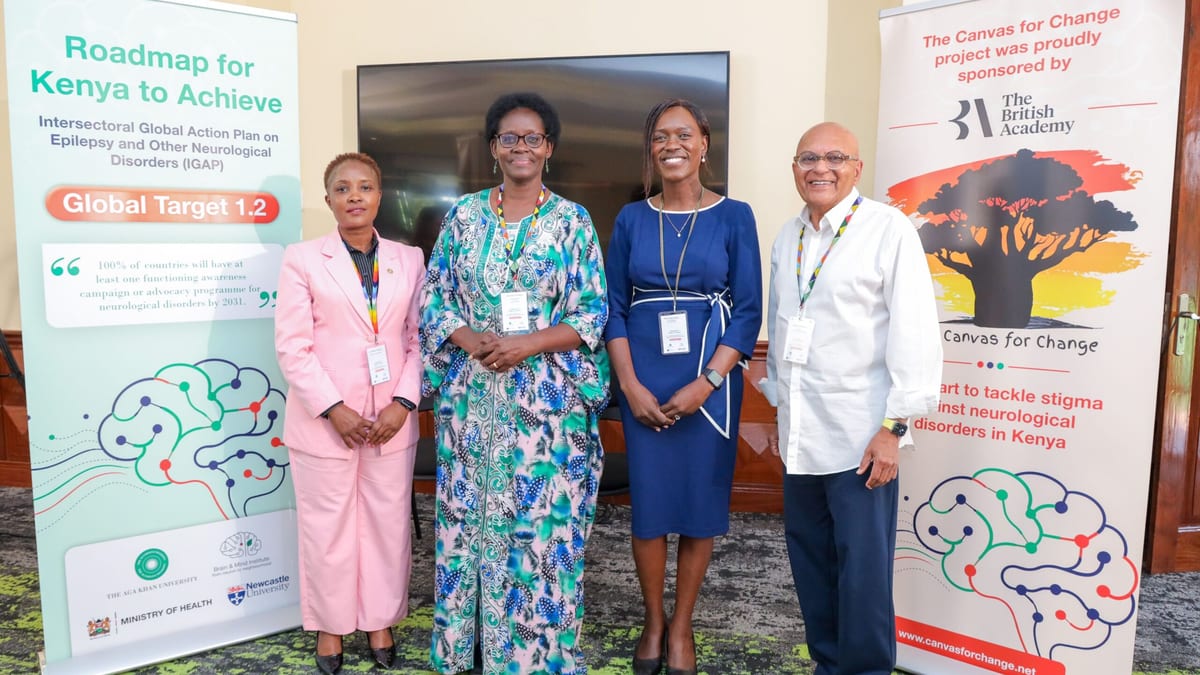
Kenya Takes Major Step Towards Awareness of Neurological Conditions as Aga Khan University’s Brain and Mind Institute (BMI), Newcastle University, and the Ministry of Health work together to create a national plan to reduce stigma surrounding neurological conditions such as epilepsy, Parkinson’s disease, and other brain disorders.
The new roadmap aims to help millions of Kenyans living with neurological conditions get better healthcare and support. Studies show that about 9% of children in Kenya have neurodevelopmental disorders, while epilepsy is one of the leading causes of neurological disability in many rural communities.
The initiative brings together government officials, researchers, healthcare workers, advocacy groups, caregivers, and people living with neurological conditions. Together, they will develop practical solutions to reduce discrimination, increase public awareness, and improve access to treatment.
This effort supports Kenya’s commitment to the World Health Organization’s Intersectoral Global Action Plan (IGAP), which encourages countries to establish national awareness and advocacy programmes for neurological disorders by 2031.
Dr. Mercy Karanja, Director of the Ministry of Health’s Division of Mental Health, said stigma prevents many people from seeking medical care because they fear being judged or discriminated against.
She said the Ministry is committed to ensuring that everyone, including people living with mental, neurological, and substance use disorders, receives quality healthcare. She added that working together across different sectors is the best way to ensure people with neurological conditions receive the support and treatment they deserve.
The roadmap is based on findings from the Canvas for Change project, funded by the British Academy and led by Aga Khan University’s Brain and Mind Institute together with Newcastle University. The project used community theatre, documentaries, and public discussions to learn how stigma affects people living with neurological conditions across Kenya.
The findings will help identify the country’s biggest challenges, assign responsibilities to different stakeholders, and create a coordinated plan to improve awareness, acceptance, and inclusion.
Neurological conditions are among the leading causes of disability worldwide. However, many people delay seeking treatment because of myths, discrimination, and fear of being rejected by their communities. Reducing stigma is therefore an important step towards improving public health.
Professor Merali, Director of Aga Khan University’s Brain and Mind Institute, said research should not only remain in academic journals but should also help shape policies that improve people’s lives.
Since 2024, the Ministry of Health has been holding national consultations under the WHO’s IGAP programme. The current meeting in Naivasha builds on those discussions and combines them with new research from the Canvas for Change project to develop a practical national roadmap.
Dr. Mary Bitta, the project’s Principal Investigator, said the stories collected during the study showed that stigma can sometimes be as difficult as the neurological condition itself. She said it is encouraging to see these experiences helping shape national policy.
During the meeting, participants are expected to agree on the roadmap’s main priorities and strengthen partnerships that will help put the plan into action. The goal is to improve awareness, reduce stigma, and ensure people living with neurological conditions receive the care, respect, and support they need.